Quick Summary
• As additive manufacturing moved beyond prototyping, its first sustained production relevance emerged in applications where performance considerations outweighed cost efficiency and throughput. The driving factor in these cases was not...
Additional Context
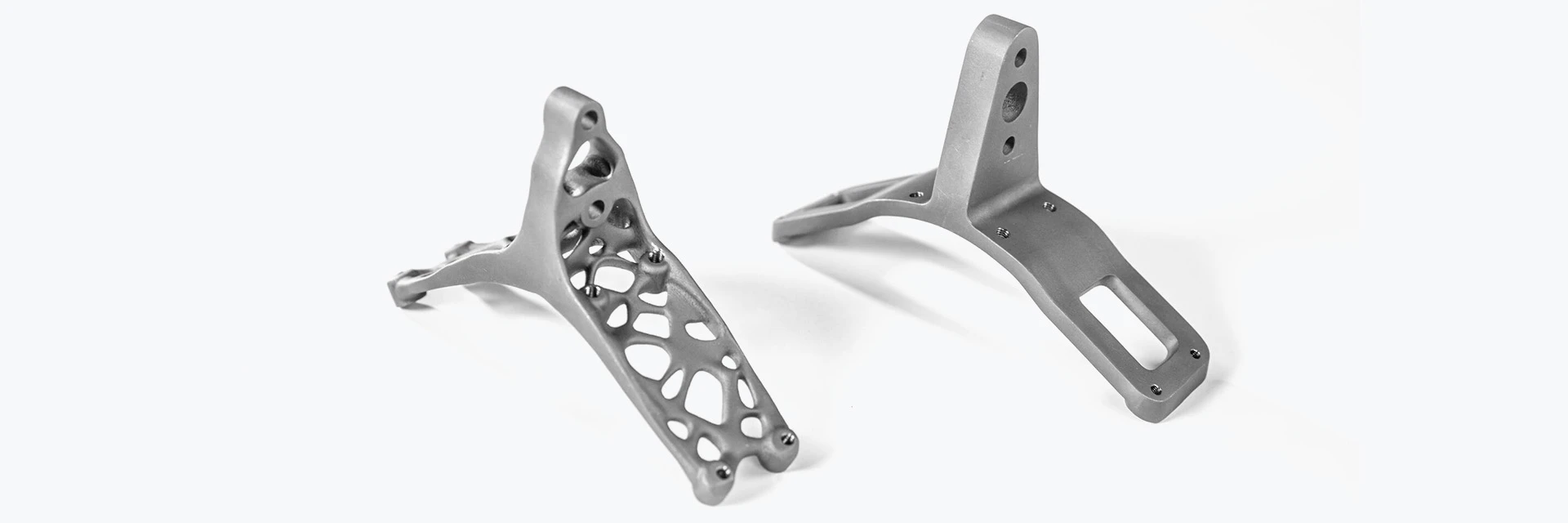
As additive manufacturing moved beyond prototyping, its first sustained production relevance emerged in applications where performance considerations outweighed cost efficiency and throughput. The driving factor in these cases was not the novelty of the technology, but the ability to realize geometries and functions that were difficult or impractical to achieve with conventional manufacturing methods.
This dynamic was most visible in sectors where part value was high and design constraints were tight. In aerospace, weight reduction, part consolidation, and internal features delivered measurable performance benefits. In medical and dental applications, patient-specific geometry and controlled porosity addressed functional and clinical requirements that conventional processes could not easi