Quick Summary
Additional Context
There’s a jig sitting in a drawer at most aerospace and automotive shops. Making it meant calling a machinist, waiting weeks, and paying for a block of aluminum to be carved down into something used maybe 50 times before the design changed.
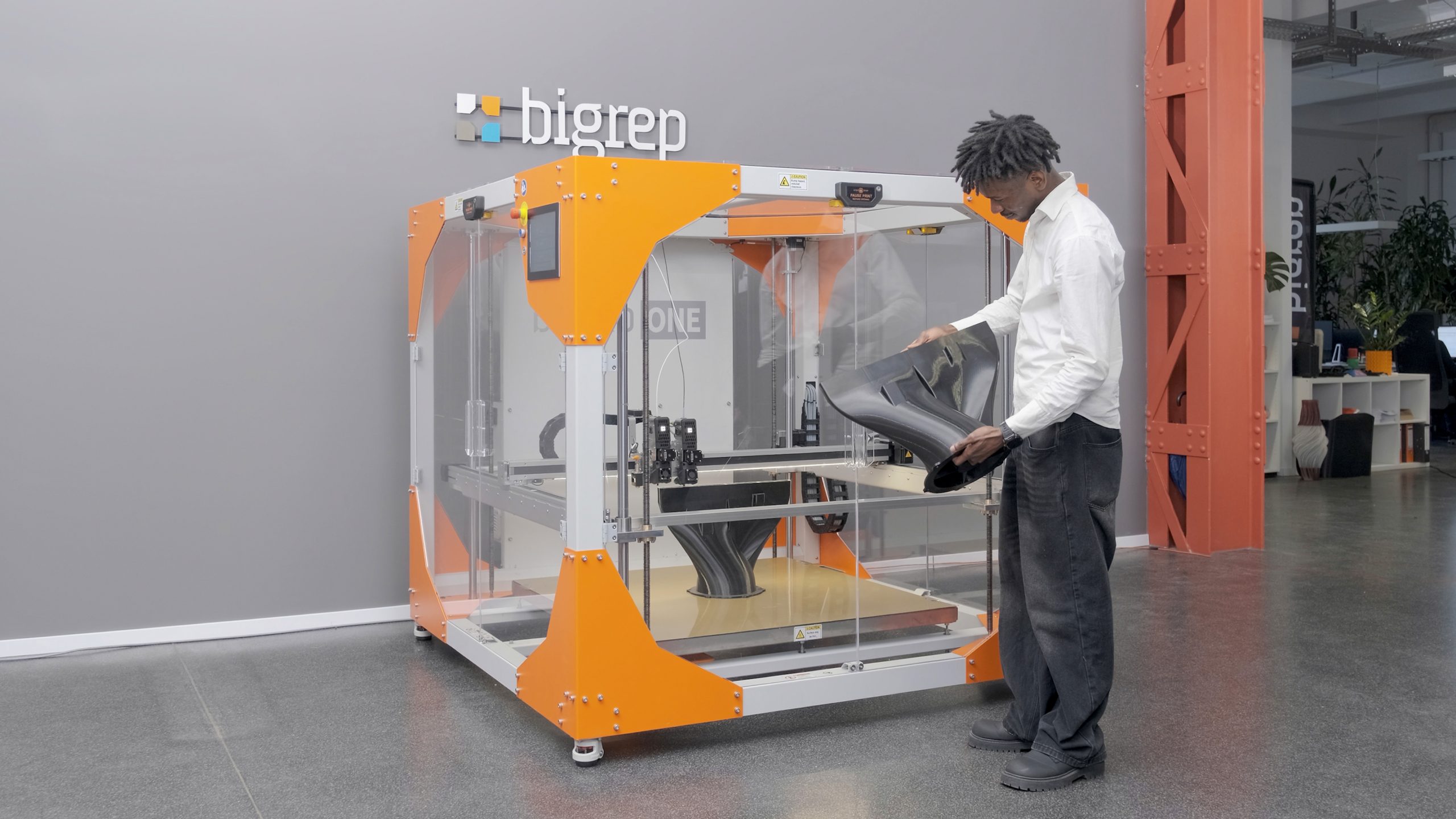
Additive manufacturing was supposed to fix that. And it has, at small scales. But scale up beyond a desktop printer, or the moment a structural component needs to actually bear load, the old world tends to reassert itself. The printers either can’t handle the material, can’t hold the tolerances, or require a specialist to babysit every job.
That gap between what industrial additive manufacturing promises and what it actually delivers on the shop floor is what large-format 3D printer manufacturer BigRep has spent the better part of a decade trying to c