Quick Summary
Additional Context
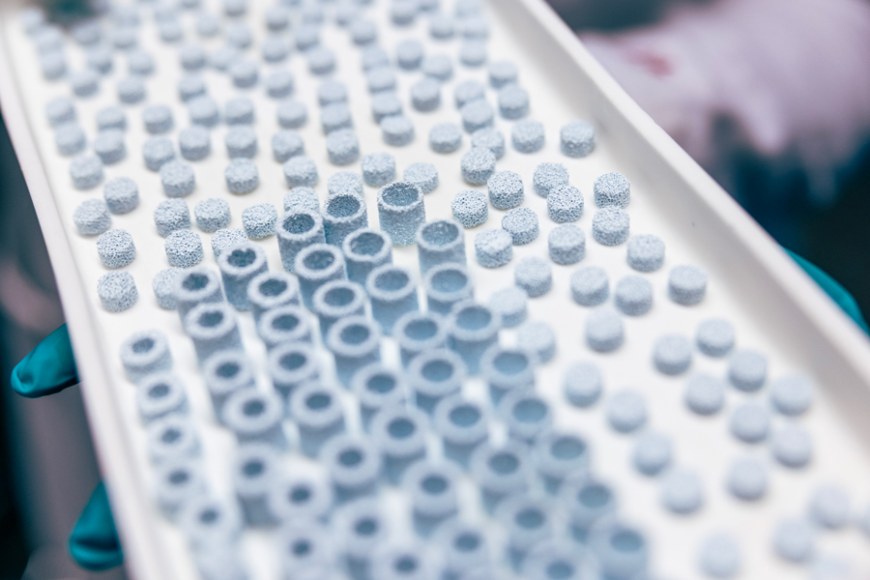
Researchers at Tampere University have developed a 3D printed ceramic implant that closely replicates the composition and internal architecture of natural human bone. Published in Materials Today Bio, the work advances the case for patient-specific bone regeneration without the need for donor tissue, synthetic drugs, or growth factors, and may offer a more accessible path to treating bone defects as the global population ages.
Antonia Ressler, Postdoctoral Research Fellow at the Tampere Institute for Advanced Study. Photo via Tampere Institute.
A Procedure Performed Two Million Times a Year, Still Relying on Donor Bone
Bone grafting is the second most common tissue transplantation procedure performed worldwide, yet the dominant approaches, harvesting bone from the patient or sourcing it