Quick Summary
Additional Context
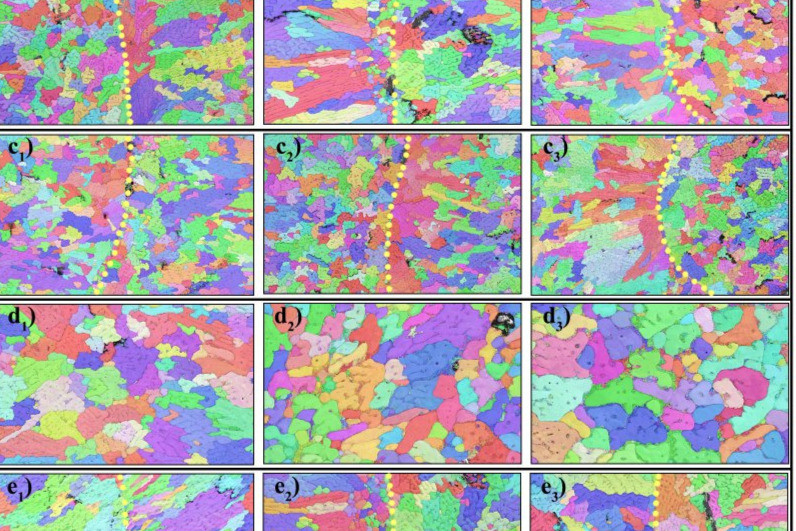
A few degrees at the nozzle can decide whether a 3D printed aluminum part comes out sound or riddled with pores. That is the central finding of a new study from The University of Manchester, published in Materials & Design, which pins down how the thermal conditions of molten metal deposition (MMD) govern defects and grain structure in aluminum alloy 4043.
The MMD process was developed by ValCUN BV, a Belgium-based firm focused on making metal 3D printing affordable and easy to deploy. The paper, released on 25 June 2026, gives engineers something they have largely lacked for this emerging process: a physics-based set of levers for controlling part quality. And the levers turn out to be small. Modest changes in nozzle and substrate temperature reshaped the internal microstructure and stro