Quick Summary
Additional Context
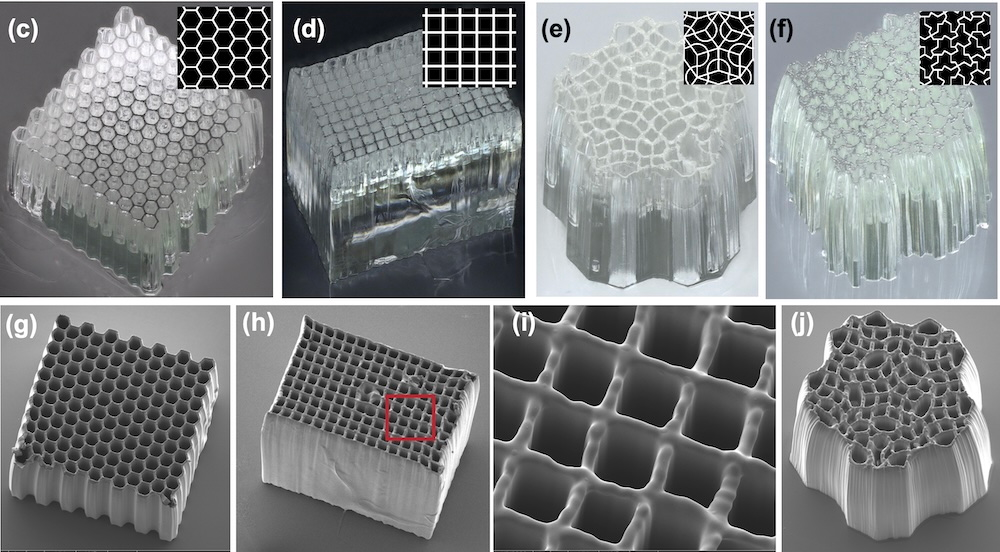
Engineers at the University of Utah have shown off a 3D printing approach that sidesteps one of the format’s persistent weaknesses: the leaky seams left behind when an object is built up slice by slice. Rather than stacking layers, the technique relies on a nanoscale “mask” that bends laser light into a holographic version of the target shape, hardening the print material into a solid form in a single pass. The whole operation runs in roughly 20 seconds, a sharp departure from the hours that competing laser-driven methods can demand.
Writing in the journal Nature Communications, the team showed that the process could turn out multiple objects one after another, much like items moving along a conveyor belt. The work was directed by Rajesh Menon, a professor in the Department of Electrical