Quick Summary
Additional Context
If you work in architecture or interior design and need to document an existing building, odds are you’ve already tried scanning rooms with your phone or tablet. Built-in LiDAR on newer devices has made app-based scanning genuinely useful for quick-as-builts, and for a lot of jobs, it’s good enough.
But anyone who has tried to use that data for detailed renovation plans or engineering work knows where it falls short. The range is limited, the accuracy drops off quickly, and the point clouds are thin compared to what you get from a professional terrestrial scanner. The problem is that professional terrestrial scanners tend to start around $25,000 and can run well past $50,000.
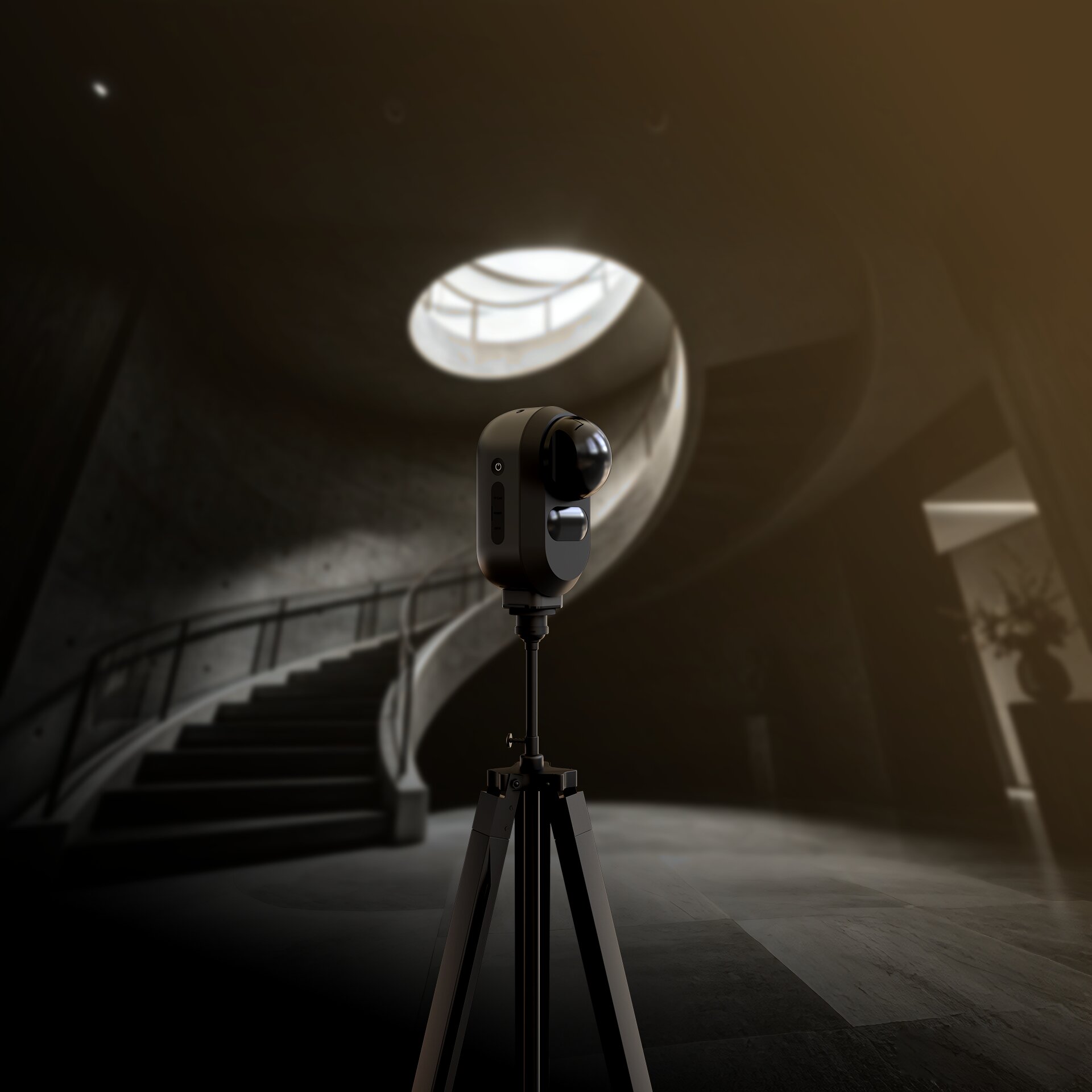
3DMakerpro’s Owl stationary LiDAR 3D scanner is designed to sit closer to the professional end of that scale in c